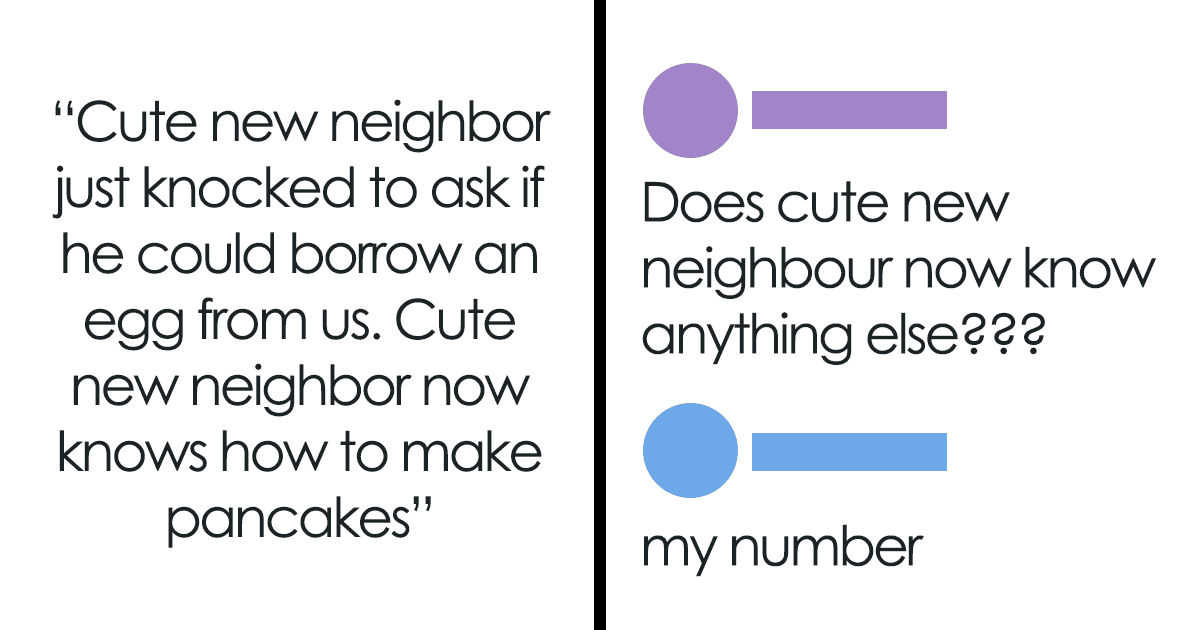

Did you know that you can say practically anything you want online? Unfortunately, some people do exactly that. Fortunately for us, they are pretty bad liars, so when we see through their obviously farcical stories, the results can be hilarious and cringeworthy. That’s exactly the type of cringe post that Totally True Story on Instagram collects.
Some people may be trying to boost their egos by fishing for likes and compliments online. Others may be trying to get ahead or even scam readers by weaving elaborate tales.
Common sense is a useful sense to hone, especially when you spend time online. These funny little fabrications tend to be about as harmless as it gets. Your common sense can also help you see through dangerous scams, fake news campaigns, and other trickery that runs rampant in the Wild West of the Web.
To play the devil’s advocate, it could also be (however unlikely) that some of these stories are, in fact, true. Are there any where you think the internet got it wrong? Let us know in the comments below each pic!
#1

#2

#3

Do you think these stories are nonsense or do you think they might be true? This post is a great opportunity to hone your common sense and “BS radar” to see whether you can see through sketchy online stories. But do you think that being online makes people lie more or less?
On the one hand, anonymity and distance may provide cover for people to feel like they can get away with more. On the other, the potential for your message to be seen by hundreds or even millions means you’re much more likely to be held accountable. It turns out that that’s exactly what the experts say – it depends.
#4

#5

#6

Much like with real-world relationships, our willingness to lie depends greatly on our environment and our relationship with the people we’re talking to. “We find that communication in the inside world tends to be more honest online, and this is in part because those messages are recorded and come from people that we will have future interactions with. We don’t want a reputation as a liar, and it’s easier in some ways to get caught in a lie online (just ask any politician caught in a scandal in the last decade),” Jeff Hancock, a professor of communication, told Stanford magazine.
So why is it that we sometimes feel like it’s easier to tell fibs on the internet? Well, for one, there’s the fake news we can sometimes be bombarded with, which will shake our trust in the information we see online. But how about when we read something from individuals instead of news sources?
#7

#8

#9

#10

Hancock explained when people might be more likely to lie online: “Communication from the outside world, however, is from sources that we’re unlikely to engage with again, and so there are little to no reputation costs for people to lie online. These lies include sock puppets [false identities], follower factories, purchased likes, propaganda bots and fake news. So, the degree to which we can trust messages online is really the degree to which you know the source.”
#11

#12

#13

#14

#15

However, it all comes back to the motivations guiding the person behind the screen. Use your common sense – if it’s too good to be true, it probably is. It is then quite likely that someone’s trying to pull a fast one over you or, at the very least, boost their own ego.
Hancock explains: “It’s easy to forget, but (most) people lie for a reason, and simply because a person is using a phone or a computer or a tablet to communicate doesn’t make them more or less likely to lie. Instead, it’s all about goals and motivations.”
#16

#17

#18

#19


#21

#22

#23

#24

#25

#26

#27

#28

#29

#30

#31

#32

#33

#34

#35

#36

#37

#38

#39

#40
